
We all know that past performance is no guide to the future, yet investors often have little else on which to base allocation decisions than examining fund managers’ track records.
Prospectuses and reports invariably show a fund’s total returns and comparisons with benchmarks, but these give no indication about whether a strong or weak results will replicate from one year to the next.
Such unsatisfactory information has driven Morningstar to call on investors to consider persistent outperformance, rather than past performance, as a better way to assess future investment success.
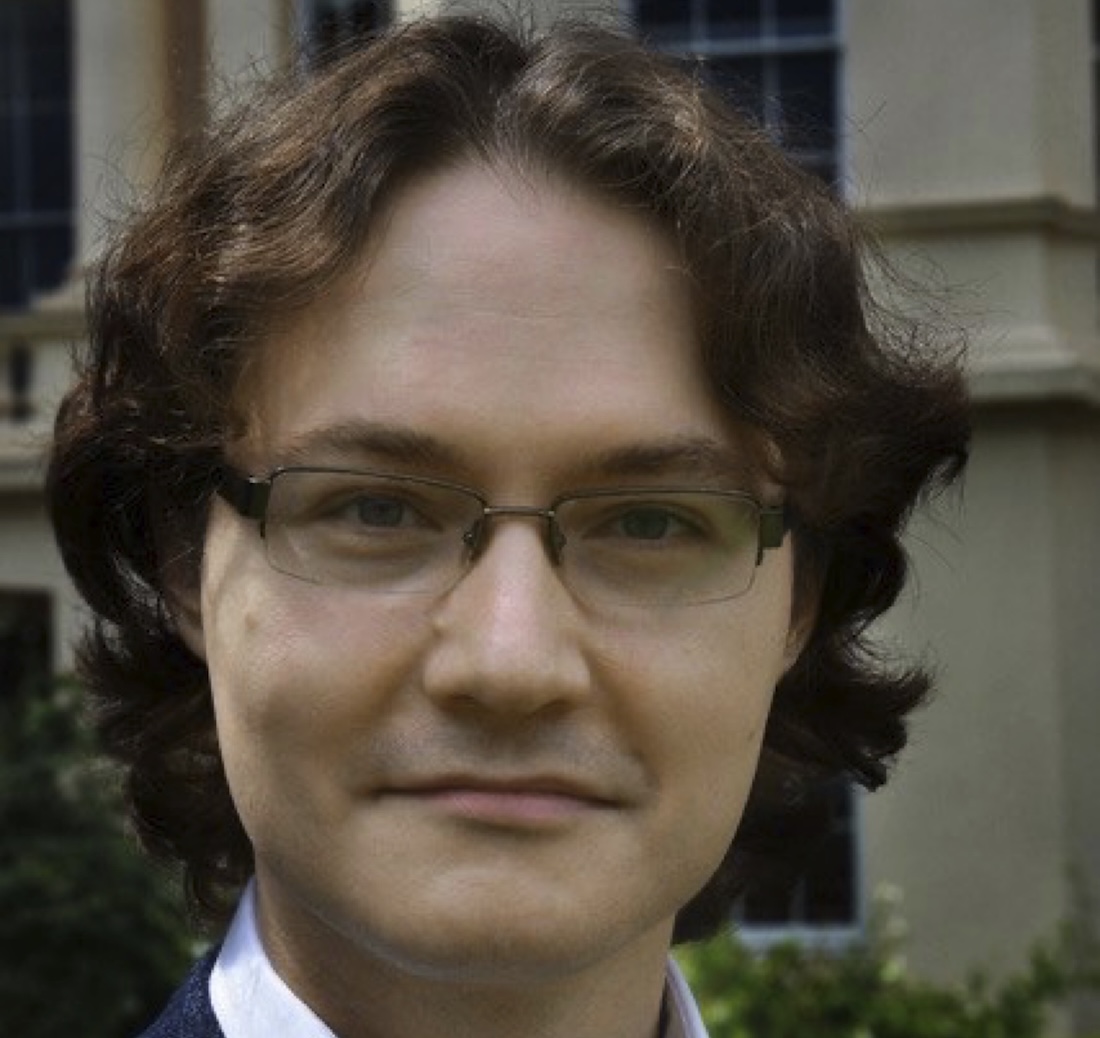
Eugene Gorbatikov, Analyst, Manager Research at Morningstar, says: “Investors are often tempted to chase last year’s best-performing funds, but our research shows that this is rarely a reliable strategy. While short-term outperformance does occur, it is difficult for funds to sustain a top position over time. The data suggest that persistent outperformance is the exception rather than the rule.”
Looking at 11,500 unique Europe-domiciled active funds, representing approximately EUR4.6 trillion in assets from January 2010 through December 2025, the study explored examines whether a fund ranked near the top/bottom of all funds within its category, was likely to stay there in the following period.
It also assessed whether persistence differs across fund characteristics and investment areas.
The research found that one-year outperformance is a weak predictor of future results, noting that few funds that ranked in the top quartile of their category sustained that position over the following one, two, or three years.
The research suggests it is more effective to look at fund characteristics such as smaller size, a shorter track record, single-manager structures and investor outflows to predict performance persistence, particularly among poorly performing funds.
Further, Gorbatikov says fees are “among the most reliable predictors of performance persistence” with evidence consistently showing that, in the long run, higher-cost funds tend to underperform cheaper peers on average.
“Low-fee funds with strong past performance are more likely to remain at the top, whereas high-fee funds with weak prior results tend to have a lower chance of improving. This pattern becomes more pronounced over longer investment horizons,” Gorbatikov notes.
The study also attempts to tackle the perennial investment management question: is active superior to passive?
Gorbatikov says higher activeness appears to increase the range of outcomes rather than improve persistence unambiguously.
“While active risk can be associated with somewhat greater upside persistence, it also comes with a larger increase in downside persistence, suggesting that high tracking error is better interpreted as a source of return dispersion than as evidence of repeatable skill,” he says.
He adds that what looks like consistency is often better explained by exposure to certain types of risk, such as momentum in equities or higher-yielding bonds in fixed income, rather than repeatable manager skill.
“That doesn’t mean manager skill doesn’t exist, but it can be difficult to identify and maintain,” Gorbatikov says.
He concludes investors focus less on picking winners and more on avoiding persistent underperformers, while paying close attention to costs.


