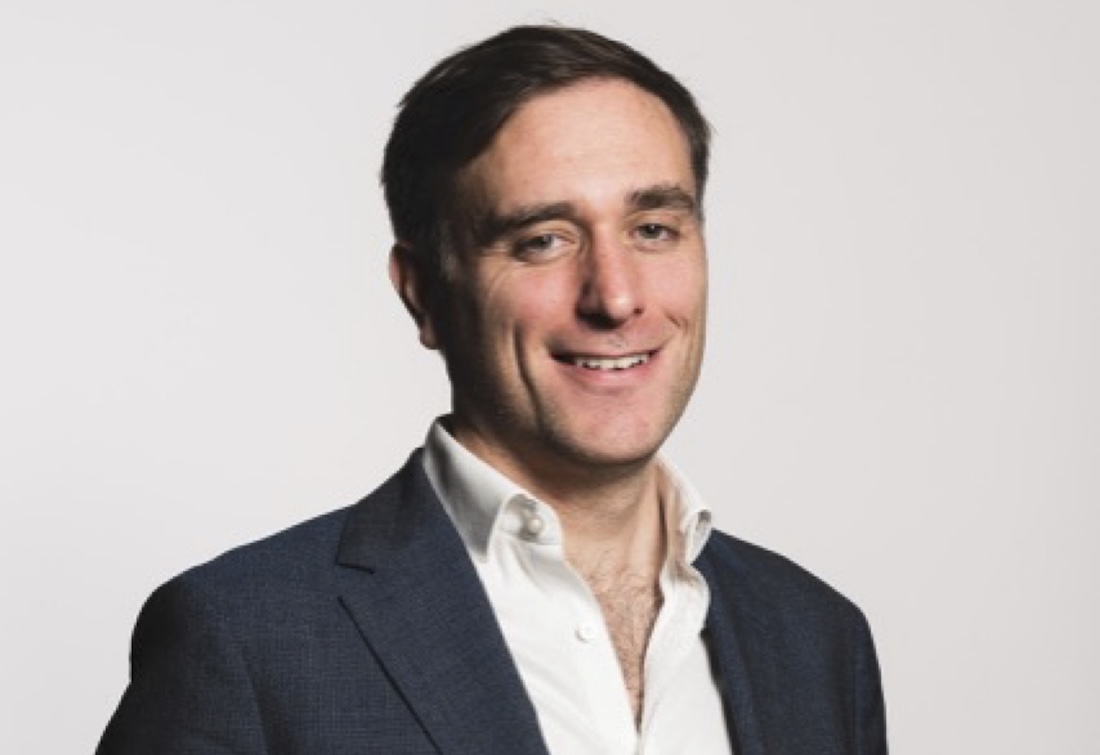
Taking a high level view of Brexit, Bill Prew, CEO and founder of INDOS Financial believes that it’s not going to impact his depositary business unduly.
“AIFMD will fall under the amended UK laws so it will be business as usual for us,” he says, “with no material change for the industry in terms of the requirements to appoint a depositary.”
If a Brexit deal is agreed, the transitional arrangements will stand for two years, and Prew believes that many of the firm’s clients with non-EU funds will not be materially impacted operationally by Brexit. Elsewhere in the industry many managers with EU funds have already established some sort of European management company or a relationship with a third-party firm to see them through the regulatory change if a deal is not agreed.
INDOS Financial is an independent depositary firm with offices in London, Fareham and Wexford (Ireland), and currently acts for over 130 funds with combined assets under depositary oversight now approaching USD30 billion. The firm also provides Cayman Islands Money Laundering Reporting Officer (MLRO) services to funds with a further USD15 billion of assets.
“We have rebranded INDOS Financial this year including a new website,” he says. “Our focus is extending our track record as an independent depositary to independent fund oversight more broadly, since we strongly believe it strengthens fund governance. Depositary remains the material part of our business and our success to date gives us a platform. There are other areas, beyond those mandated by AIFMD, where independent oversight can add value.”
At present, his firm cannot act as a depositary for funds based in Ireland or Luxembourg, under their regulations, but he welcomes the recent announcement from ESMA that managers in Europe with a European fund will be able to delegate the portfolio management of that back to a non-European management company.
“The day to day management of the fund is still going to come to the UK and I imagine that many managers of European funds from pre-Brexit will have those relationships in place.”
INDOS Financial is still working on its ESG service, with Prew confirming that they are close to doing trials of a new offering.
“We are still developing our ESG service and our view remains that there is a gap in the market for effective independent ESG oversight, particularly given concerns in the industry about greenwashing”.
INDOS Financial will combine an audit style approach to the application of ESG policies within a manager, with its experience of screening portfolios for compliance against ESG data sets. The firm is initially focused on portfolios with securities in them and has had positive response from about 15 per cent of its existing clients and other market interest.
“Clients are saying that they are in varying stages of ESG adoption, from just thinking about it to ‘yes, we have had ESG policies for years’, reflecting the range of ESG adoption across the industry”.
Prew describes it as an evolving space. “It’s clear that some of it is grey at the moment but regulatory changes are coming where European managers will have to start incorporating ESG factors in their portfolio management and provide mandatory disclosure.”
His firm is developing a set of minimum standards that management need to adhere to achieve effectively an INDOS ESG kitemark, not unlike the Cyber Essentials Plus accreditation.
He also notes other areas of potential application, such as the International Stock Exchange “Green” segment where one of the conditions of listing is an annual independent verification of ESG compliance.
“One of the issues with ESG is that there is no standardisation or consistency,” he says.
His firm will also be subject to the new FCA Senior Managers and Certification Regime (SMCR), a regime which he thinks will support his business. “When senior managers become more accountable for how they manage their organisations, effective independent oversight will help them sleep at night and meet their SMCR requirements.”
Prew has persistently supported the idea that an independent depositary which is not connected to other service providers of fund, and therefore has no conflict of interest, is a better way to go. This has been borne out by his firm completing to date almost 20 significant client transitions from an affiliated depositary firm.
“From an SMCR perspective, senior managers might see more value in revisiting their depositary relationships to obtain an independent model.”
However, he recognises there is on-going need to educate the industry and many managers are only just starting to think about SMCR before its introduction in December this year. “Our job is to highlight how firms can manage their businesses differently in the post SMCR world, but SMCR is another opportunity for firms to think about governance and review sub-optimal service provider relationships.”