Greater transparency of costs and charges for pension funds could have a significant positive impact on investment strategy, help to cut risk and ultimately improve value for money for members, says the Association of Member Nominated Trustees (AMNT).
Independent analysis conducted earlier this year for an existing pension scheme by a forensic accountant, looked at three distinct stages of continued improvement: be clear about total costs – including direct and hidden costs; measure; then monitor.
The key conclusions drawn by AMNT members when this “what gets measured can be managed” approach is put in place were that costs of 1.69 per cent of assets came down to just 0.82 per cent of assets. On a typical sized fund of GBP100 million, that could represent a saving of GBP800,000 a year.
A saving of that scale could affect investment strategy, and help to cut risk. Many of AMNT members have funds that operate on a target return of, around LIBOR plus 3 per cent. A halving of costs could make a significant impact.
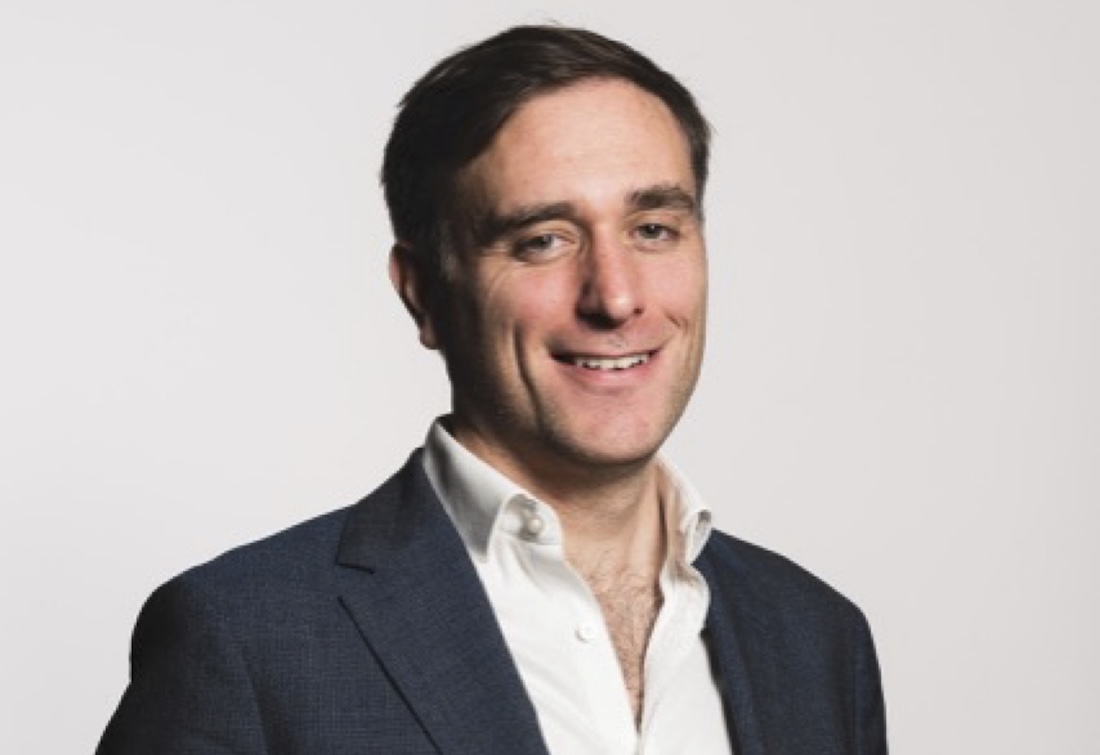
Speaking at the Transparency Taskforce conference in London, David Weeks (pictured), co-chair of the AMNT, said: “Transparency is not a race to the bottom as some opponents try to pretend. It is about creating an environment for better outcomes. It is about value for money for members. It is what trustees do.
“This analysis makes it clear that we must work as an industry to achieve much higher levels of transparency in financial services because, people must be encouraged to save more in their working lives. If we want them to be able to fund themselves for an increasing numbers of retirement years, we must deliver, and be seen to deliver, prudent and open costs and charges.
“If across the industry we were to apply the simple mantra of ‘what gets measured, gets managed’, we could achieve significant savings for pension schemes, with member outcomes benefiting directly – as this analysis shows, the average pension fund could stand to benefit from savings of around GBP800,000 per year which could have positive benefits for reduction of risk and achieving target returns.”