Major sovereign wealth funds (SWFs) in Asia are seeking more co-investments in the low-interest-rate environment, amid a general trend towards greater insourcing.
Cerulli’s research shows that in 2019, the proportion of assets under management (AUM) sourced from sovereign funds declined by 5.3 percentage points to 14.2 per cent. In comparison, the shares of institutional AUM sourced from pension funds, central banks, and quasi-government organisations rose by 2.2 and 2.0 percentage points, respectively.
China Investment Corporation (CIC), one of the largest SWFs in the world, reduced its externally managed portion of its portfolio to 52.2 per cent at the end of 2019, from 66.9 per cent in 2015, and funds like Korea Investment Corporation (KIC), as well as Singapore’s GIC and Temasek, have built significant internal capabilities over the years.
However, building internal capabilities takes time. In fact, large institutions typically request for knowledge transfer when working with external managers, especially when knowledge on the subject matter is limited, to eventually fortify their own in-house expertise. That is why co-investing makes business sense for SWFs and other asset owners, even if they already have significant competencies. Cost-cutting and potentially improving net returns are also important considerations for co-investors.
Among the growth strategies CIC outlined earlier year is co-investments. It had earlier co-invested with private equity fund managers such as France’s Eurazeo and Japan’s Nomura Holdings, and made several investments last year via its UK-China Cooperation Fund, Japan-China Capital Partners, and two other cooperation funds with Italy and France.
Meanwhile, KIC intends to increase its alternative investment allocation—from 16 per cent currently to 20 per cent by 2024—through various ways, including joint ventures with other SWFs and co-investments with general partners. Its plans for its San Francisco office, opened in March 2021, include using it to strengthen its network with other SWFs, pension funds, and global asset managers operating in that part of the US.
Widely known as one of the most sophisticated real estate investors in the world, GIC has continued to search for opportunities in that sector during the market dislocation caused by the pandemic. In February this year, it joined forces with Dutch pension investor APG to acquire the Hotel Edition in Madrid for EUR220 million (USD241.4 million).
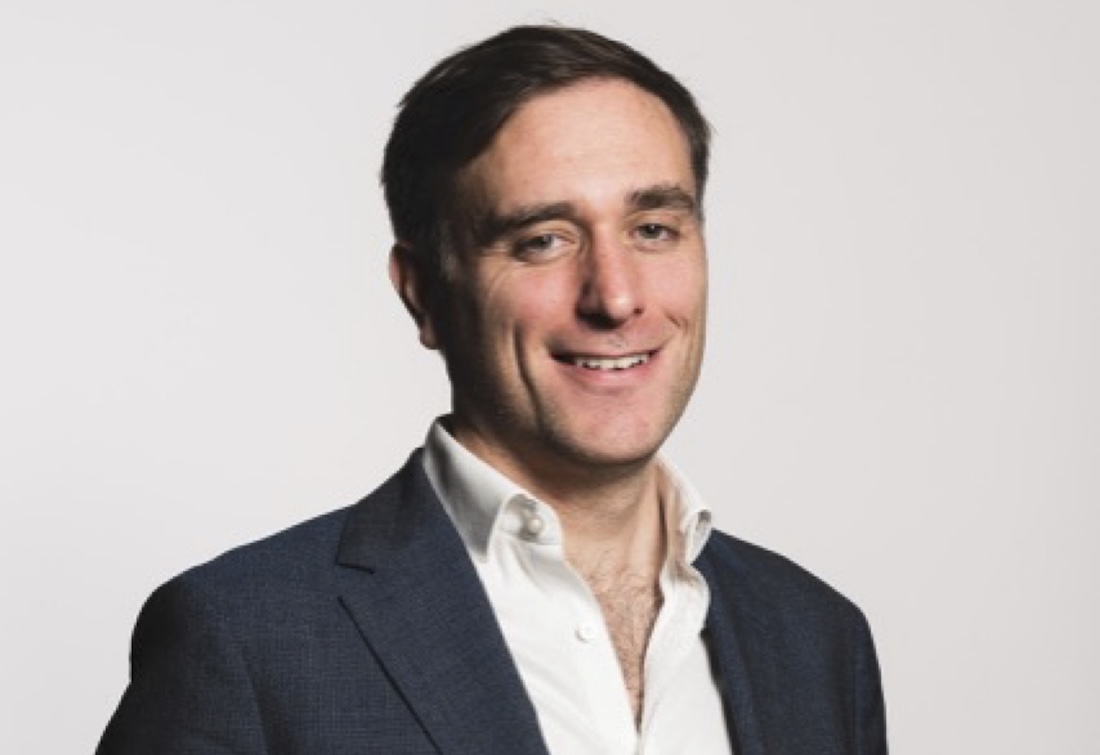
As SWFs’ assets grow and they venture beyond the traditional sources of yield, they could look for managers to partner them in new and esoteric strategies. “Cerulli believes that active management and investment outsourcing are still vital to help institutions diversify and seek higher returns amid current market volatility,” says Ken Yap, managing director, Asia, at Cerulli Associates. “As part of the shift towards increasingly collaborative outsourcing relationships, managers need to be agile in their approaches and continuously build and maintain rapport with their institutional clients, as well as explore opportunities in areas such as co-investments.”