Sovereign Wealth Funds (SWFs) now allocate almost a quarter (23 per cent) of their assets under management to alternative investments such as private equity, real estate, gold and infrastructure, according to a new report from PwC.
The report, entitled ‘The rising attractiveness of alternative asset classes for Sovereign Wealth Funds’, finds that, despite SWFs facing adverse conditions since 2014 when asset growth began to stall as a result of falling oil prices, total assets under management still grew to USD7.4 trillion in 2016, albeit at a slower pace than in previous years.
The pressure felt since 2014 is driving SWFs to broaden their investment strategies, PwC reports and the firm expects the growth rate of assets under management to increase in the coming years as SWFs invest in non-fossil sources and diversify their portfolios to include alternative investments to enhance returns. SWF investment into fixed income instruments such as government bonds has dropped from a peak of 40 per cent in 2013 to 30 per cent in 2016.
The report acknowledges expected interest rate hikes across Europe and the United States but predicts they will be moderate, encouraging SWFs to continue searching for yield by allocating investment to non-traditional areas.
The report notes that including certain alternative asset classes is not without risks as the majority of alternatives are highly illiquid. An exception is gold, which has one of the highest rates of daily volumes exchanged and can provide protection against short and medium-term market corrections.
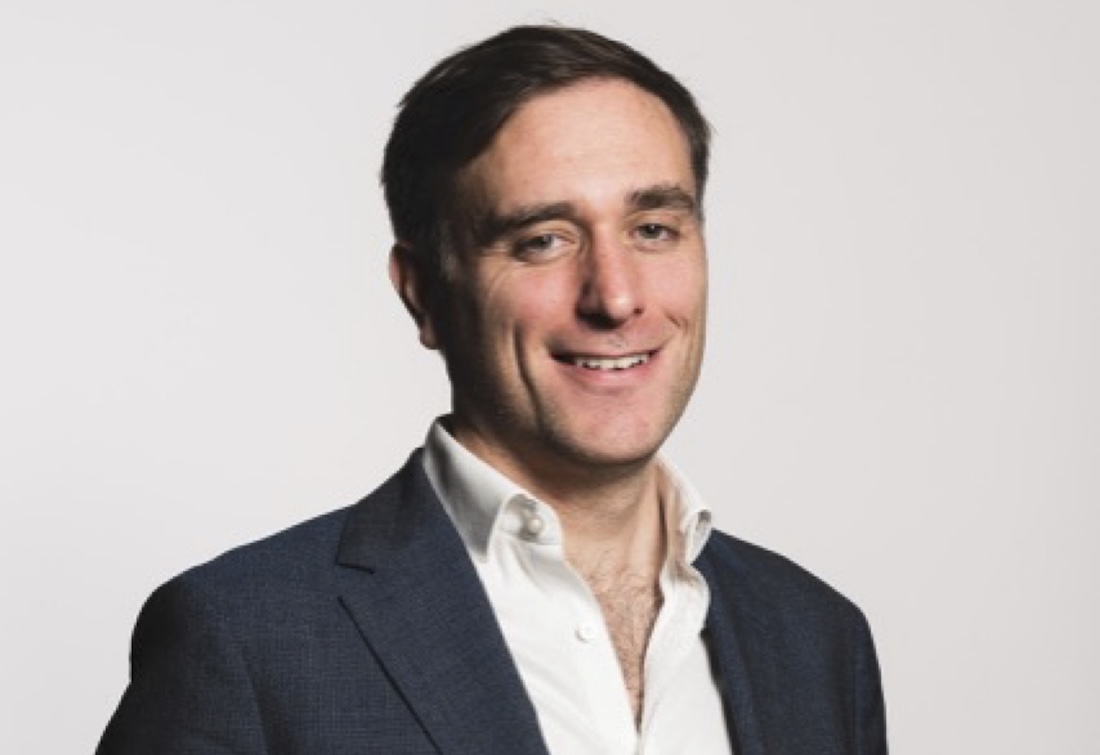
Will Jackson-Moore, PwC’s global head of sovereign investment funds and private equity, says: “Sovereign Wealth Funds play an important role helping governments stabilise the economy and exchange rates. We expect alternatives to be prominent in SWF portfolios in the future as they can offer increased diversification, principal protection, a hedge against inflation, and an increase in portfolio performance.
“That being said, finding the right allocation strategy for these asset classes is crucial as including certain alternatives might introduce a new set of risks such as illiquidity, complexity, and cyclicality. SWFs should keep in mind the need for continuous monitoring of their portfolios and their investments and reallocate their capital to reflect economic developments.
“Overall though, the benefits seem to outweigh the costs, as the varied nature of alternatives provides SWFs with the ability to select an asset class specific to their investment needs.”